For decades, manufacturing was seen as a behind-the-scenes sector, focused on production, supply chains, and bulk orders. But in today’s hyper-connected, digital-first world, that narrative is rapidly changing.
Manufacturers are no longer just building products — they’re building brands.
Here’s why manufacturing companies around the globe are making a strategic shift toward branding, digital marketing, and customer experience transformation — and what it means for the future of the industry.
The Numbers Speak Volumes
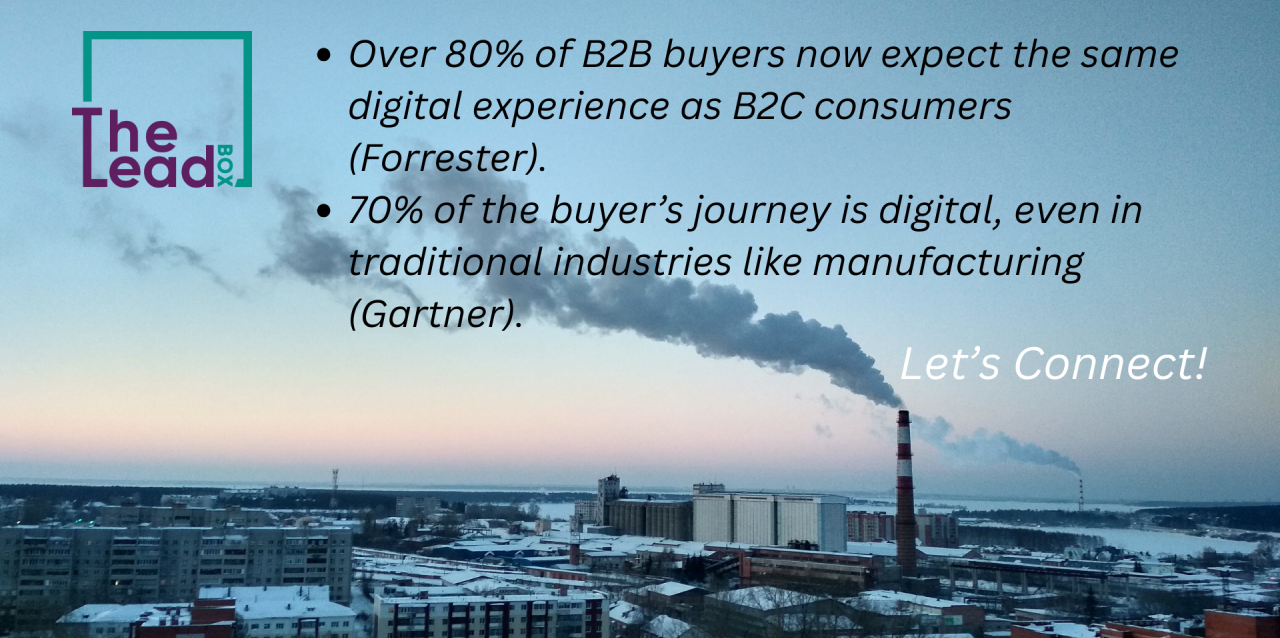
- Over 80% of B2B buyers now expect the same digital experience as B2C consumers (Forrester).
- 70% of the buyer’s journey is digital, even in traditional industries like manufacturing (Gartner).
- 67% of industrial buyers say that a supplier’s website is their most important content resource (IEEE GlobalSpec).
- Manufacturers that invested in digital marketing saw an average increase of 55% in lead generation within 12 months (Content Marketing Institute, 2024 report).
Why This Shift Is Happening
1. Global Competition Demands Differentiation
As manufacturing becomes more commoditized, businesses must differentiate not just on cost or capacity, but on brand trust, values, and visibility. A strong brand helps attract not only buyers but also distributors, partners, and top talent.
2. Buyers Are Researching Online
Industrial buyers are now Googling first and meeting later. If your business doesn’t show up with the right story, you’re already behind.
3. Sales Cycles Are Longer & Involve More Stakeholders
With multiple decision-makers involved, branding and content marketing help educate and influence stakeholders throughout the sales journey, long before your sales team steps in.
4. Tech-Savvy Millennials Are Taking Over Procurement
Millennials and Gen Z are now decision-makers in procurement roles. This digitally native generation expects modern websites, social media presence, video walkthroughs, sustainability messaging, and more.
Branding in Manufacturing Is More Than a Logo
Here’s what manufacturers are now focusing on:
- Modern Websites: Not just product catalogs, but solutions-focused messaging, SEO-rich content, and lead capture funnels.
- Thought Leadership: Sharing engineering expertise, sustainability practices, or innovations on LinkedIn and blogs to build credibility.
- Video Marketing: Factory walkthroughs, process videos, client success stories, and explainer animations.
- Social Media Engagement: Platforms like LinkedIn are becoming goldmines for reaching procurement heads, OEMs, and distributors.
- Sustainability Branding: Buyers want to align with environmentally responsible manufacturers. Sharing your green initiatives builds trust.
Real-World Examples
- Bosch promotes its factory automation line with high-quality YouTube explainers and LinkedIn case studies.
- GE leverages storytelling and industry innovation videos to make manufacturing tech feel human and futuristic.
- Tata Steel rebranded with a sustainability-forward message, helping attract large infrastructure and ESG-conscious clients.
What Manufacturing Leaders Should Do Next
- Audit your current brand perception, online and offline.
- Invest in digital assets: A modern website, Google visibility, and social presence.
- Align marketing and sales with storytelling, not just specs.
Train internal teams to become brand advocates on LinkedIn and trade networks.